Warmth and History Await in UNESCO‑Listed Spa Towns This Winter
Discover how Europe’s UNESCO spa towns combine soothing thermal waters with rich heritage, offering a cosy retreat when the temperature drops.
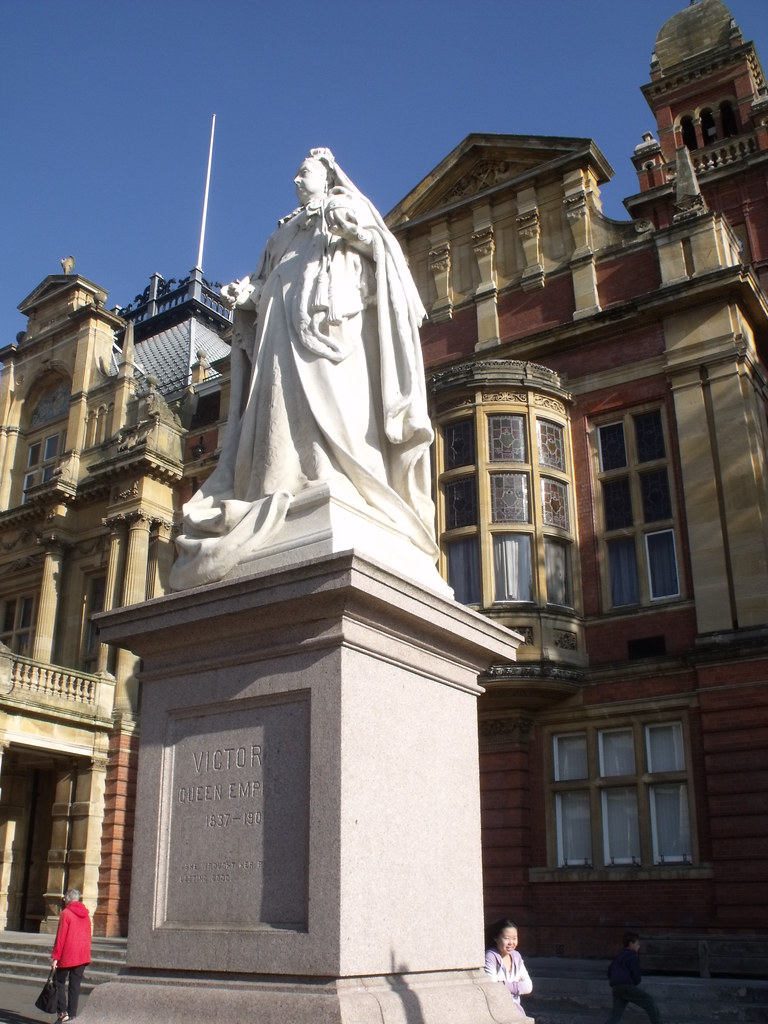
When the days grow short and the air turns crisp, many travellers head for sun‑baked beaches, yet a quieter, equally rewarding option lies in Europe’s UNESCO‑recognised spa towns. These historic settlements have been celebrated for centuries for their mineral‑rich waters, and the UNESCO label highlights not only the therapeutic qualities but also the cultural landscapes that have grown around them. In winter, the contrast between the chill outside and the steaming pools inside creates a uniquely comforting experience, while cobbled streets, grand colonnades and art‑nouveau facades tell stories that span empires.
The UNESCO designation is granted to sites that embody outstanding universal value, and for spa towns this means a blend of natural resources, architecture and social tradition. The waters themselves are often sourced from deep underground, emerging at temperatures that can exceed 30 °C, and have been used for healing since Roman times. Over the centuries, patrons—from aristocrats to artists—have built grand bathhouses, promenades and parks, turning these places into cultural hubs as much as health resorts. The result is a living museum where every column, mosaic and fountain reflects a chapter of European history.
Take the Czech town of Karlovy Vary, perched on the banks of the Teplá River. Its iconic colonnades shelter a series of mineral springs, each with a distinct taste and reputed benefit. In winter, the town’s pastel façades are dusted with frost, while steam curls from the historic hot‑spring houses, inviting visitors to linger in the warm waters. Beyond the baths, the annual film festival and the elegant Art Nouveau architecture provide a cultural backdrop that feels timeless. A stroll along the river promenade, with a mug of mulled wine in hand, captures the essence of winter indulgence.
Further west, the English city of Bath offers a seamless marriage of Roman legacy and Georgian elegance. The ancient Roman Baths, a UNESCO World Heritage Site, continue to draw crowds who marvel at the preserved stone chambers and the still‑flowing thermal waters. In the colder months, the city’s Georgian crescents glow with candlelight, and the modern Thermae Bath Spa adds a contemporary twist, featuring rooftop pools that overlook the historic skyline. Walking the narrow lanes, you’ll encounter museums, historic churches and cosy tea rooms, all within easy reach of the soothing waters.
In France, the town of Vichy stands as a testament to the 19th‑century boom in hydrotherapy. Its grandiose fountains and the iconic “Vichy Pastilles” brand are symbols of a bygone era when the town attracted European royalty. Today, the thermal centres blend classic décor with modern wellness facilities, offering indoor and outdoor pools that stay temperate even when snow falls nearby. The surrounding parks, lined with chestnut trees, become a quiet haven for winter walkers, while the town’s museums showcase the evolution of spa culture from imperial patronage to contemporary health tourism.
Visiting these UNESCO spa towns in winter calls for a few practical considerations. Pack layered clothing, waterproof shoes and a good scarf—thermal baths can be chilly on the outside, but the water will quickly warm you. Most towns have a central visitor centre where you can purchase day passes that grant access to multiple baths, often at a reduced rate. Booking a guided heritage walk is worthwhile; knowledgeable guides can point out hidden plaques, historic anecdotes and the best times to avoid crowds. Finally, allow time to explore beyond the baths: local markets, historic churches and winter festivals add depth to a relaxing soak.
Winter’s quiet hush transforms UNESCO spa towns into havens where history and health intertwine. Whether you’re seeking a romantic escape, a solo retreat or a family‑friendly adventure, the combination of steaming mineral pools and well‑preserved heritage offers a uniquely British‑tinged comfort that warms both body and spirit. So, when the frost settles, consider swapping the beach towel for a plush robe and let Europe’s celebrated spa towns revitalize your wanderlust.