Vietnam ramps up its appeal to Chinese travellers with fresh budget‑friendly offers
Vietnam is unveiling a suite of new promotions and practical measures aimed at welcoming more visitors from China, making the country an even more attractive, affordable destination.
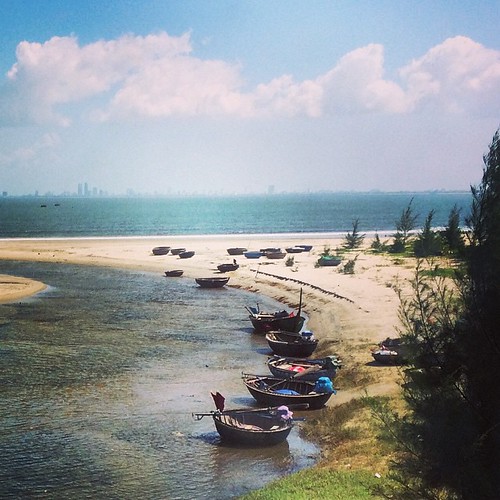
Vietnam has turned its attention to the Chinese market with a renewed marketing push that blends modern digital outreach and on‑the‑ground support. The timing feels right: Chinese holidaymakers are seeking new experiences close to home, and Vietnam offers a familiar yet distinct cultural tapestry, spectacular scenery and a reputation for good value. By tailoring its message and easing travel logistics, the country hopes to convert curiosity into bookings, especially among budget‑conscious travellers who are looking for quality without a hefty price tag.
The promotional campaign is being rolled out across a range of platforms that Chinese tourists use daily. Social media giants and popular travel apps are now flooded with vivid videos of limestone karsts, lantern‑lit streets of Hoi An and bustling night markets. In addition, Vietnamese tourism officials are taking part in travel fairs in major Chinese cities, showcasing itineraries that combine iconic sights with hidden gems. Partnerships with Chinese tour operators mean that packaged trips are being priced competitively, with clear breakdowns that appeal to those who like to keep a close eye on their spend.
For the Chinese visitor, Vietnam’s draw lies in its blend of natural wonders and cultural highlights that are both photogenic and easy to explore on a modest budget. The emerald waters of Ha Long Bay remain a top‑tier experience, while the ancient citadel of Hue offers a glimpse into imperial history without the crowds of more commercial sites. Coastal towns such as Da Nang and Nha Trang provide long stretches of beach where a simple sea‑side meal can be enjoyed for a fraction of the cost of similar locales elsewhere. Meanwhile, bustling cities like Ho Chi Minh City deliver vibrant street food scenes, affordable shopping districts and a lively nightlife that fits neatly into a traveller’s wallet.
Practicalities have been simplified to match the expectations of Chinese tourists. The e‑visa system now processes applications within a few days, and a visa‑on‑arrival option is available at major airports for short stays, reducing the paperwork hurdle. Mandarin signage is increasingly common in airports, hotels and popular attractions, and many staff members have received basic language training, making enquiries smoother. Payment is no longer a barrier either; a growing number of establishments accept UnionPay and Alipay, while local banks have introduced easy currency exchange points that offer competitive rates.
Beyond paperwork, Vietnam is investing in infrastructure that directly benefits budget travellers. High‑speed rail links between Hanoi and Ho Chi Minh City cut travel time dramatically, allowing visitors to see more of the country without expensive internal flights. Hostels and guesthouses have multiplied in number, many of which now provide free Wi‑Fi, breakfast and even bike rentals, giving guests the freedom to explore at their own pace. Public transport in cities has been upgraded, with affordable bus and metro tickets that are clearly marked in both Vietnamese and Mandarin, ensuring that getting around is as straightforward as it is cheap.
The overall message is clear: Vietnam wants Chinese visitors to feel welcome, understood and confident that they can experience the country’s rich heritage without overspending. Whether it’s a weekend city break, a beach holiday or a cultural trek through the highlands, the new promotional push promises a blend of authenticity, convenience and value. For the savvy traveller from China, the invitation is now louder than ever – and the price tag is comfortably within reach.