US Holiday Travel Slumps as Even the Affluent Trim Vacation Plans
A fresh look at why American holiday journeys are at a post‑pandemic low, with cost‑conscious travellers – rich and not – rethinking their getaways.
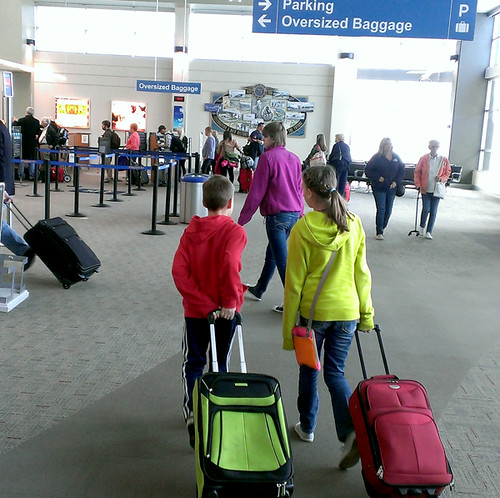
The festive season that once saw bustling airports and packed resorts across the United States is now markedly quieter. Recent data show that holiday travel volumes have slipped to their lowest levels since the pandemic began, and the trend is not confined to the average family. Even households with considerable disposable income are scaling back, opting for shorter stays or postponing trips altogether. This shift signals a broader reassessment of what a holiday means in today’s economic climate.
One of the most immediate pressures is the sharp rise in travel‑related costs. Airline fares, once rebounding after the early‑2020 slump, have surged as carriers grapple with fuel price volatility and staffing shortages. Hotel rates in popular destinations have followed suit, especially in coastal and ski resort towns where demand traditionally spikes in December. For many, the combined expense of flights, accommodation, and ancillary fees now eclipses the budgets that would have comfortably funded a week‑long escape just a few years ago. The result is a more cautious approach, with travellers scrutinising every line item before committing.
Beyond the price tag, uncertainty about the broader economy is prompting even the well‑heeled to tighten their belts. Inflationary pressures on everyday goods, coupled with concerns about future interest‑rate moves, have made discretionary spending a more delicate decision. In this environment, a lavish overseas cruise or a five‑star resort stay is being replaced by more modest, value‑driven alternatives. The message is clear: a memorable holiday no longer has to be synonymous with extravagance; it can be crafted around smart choices and local experiences.
For those still yearning for a break, the current landscape offers an unexpected opportunity to explore the United States in fresh ways. Domestic road‑trips, for instance, provide flexibility and cost control that air travel cannot match. By charting routes through lesser‑known regions—such as the rolling hills of the Blue Ridge, the desert splendors of New Mexico, or the rugged coastline of the Pacific Northwest—travellers can discover hidden gems while keeping expenses in check. Booking accommodation through alternative platforms, considering boutique B&Bs, or even camping in well‑maintained state parks can stretch a budget further without sacrificing comfort.
Another practical strategy is to shift travel dates away from the traditional holiday rush. Mid‑week departures, early‑December departures before the peak, or post‑Christmas returns often come with reduced fares and lower crowd levels. Flexibility with dates also opens the door to last‑minute deals that can turn a pricey itinerary into a bargain. Moreover, many destinations now offer bundled packages that combine lodging, meals, and activities at a discount, providing a clearer picture of total costs upfront.
Finally, the current slowdown invites a more mindful approach to tourism. With fewer crowds, travellers can enjoy attractions with greater ease, reducing the stress of long queues and packed venues. This quieter season also aligns with a growing desire for sustainable travel, where the environmental footprint of a trip is considered alongside its price. Choosing rail over short‑haul flights, supporting locally owned eateries, and opting for eco‑friendly accommodations not only curbs spending but also contributes to a more responsible holiday season.
In sum, the dip in US holiday travel reflects a collective recalibration rather than a loss of wanderlust. By embracing flexibility, prioritising domestic routes, and seeking value‑rich experiences, both affluent and modest travellers can still craft rewarding getaways. The key lies in planning with an eye on cost, timing, and sustainability—turning a challenging market into an invitation for smarter, more enriching travel.