New Airport Luggage Rule: One Item Guarantees a Security Pull‑Aside
A fresh security guideline now flags a single type of item that will automatically trigger a bag inspection – travellers can avoid delays by leaving it out of their hand‑luggage.
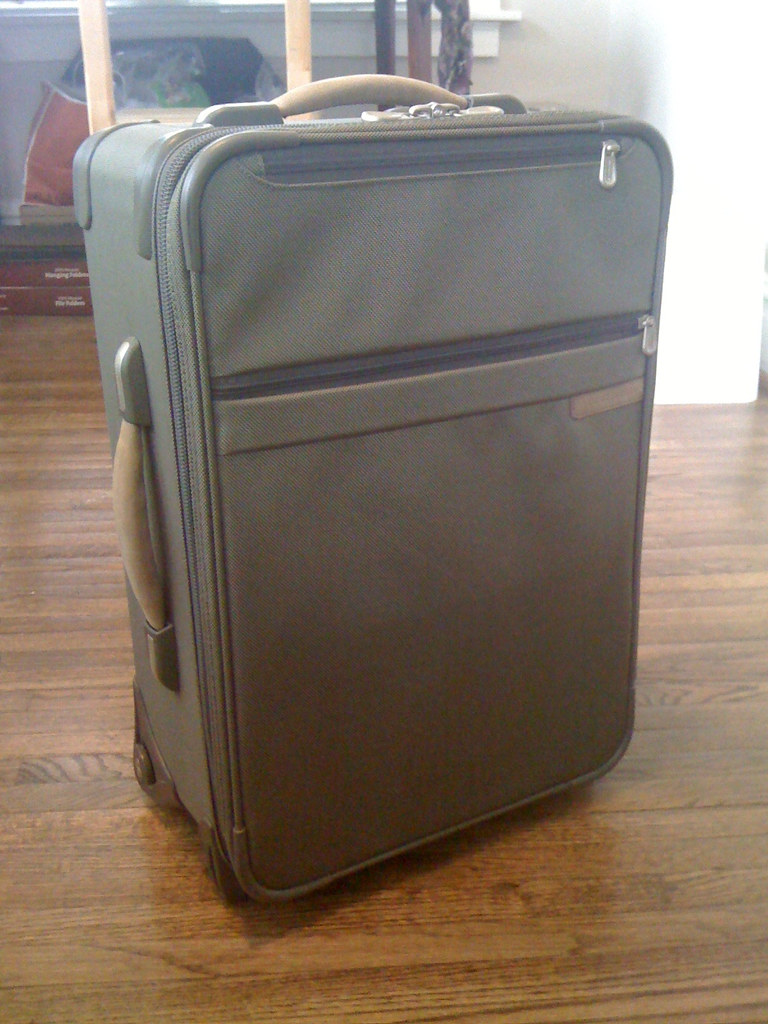
Airports have quietly tightened their security protocols, and the latest update centres on a surprisingly simple principle: one specific item will get your bag pulled at security every single time. The announcement has caused a ripple of conversation among frequent flyers, because the item in question is something many passengers routinely pack without a second thought. Understanding the rule and adjusting your packing list can save you valuable minutes – and a lot of stress – on the journey from check‑in to boarding gate.
The item that now guarantees a secondary inspection is any metal object that could be interpreted as a weapon or a tool with a sharp edge. This includes large metal water bottles, hefty metal hairbrushes, portable electric shavers with exposed blades, and even sturdy metal umbrellas. While these objects are perfectly legal to carry, security scanners flag them as potential threats, prompting officers to pull the bag for a manual check. The new guidance makes it clear that the presence of such an item will automatically trigger that extra scrutiny, regardless of its actual purpose.
Why the focus on metal? Modern X‑ray machines are highly adept at distinguishing organic material from dense metals, but they cannot always determine intent. A sleek aluminium bottle or a compact steel hair straightener can appear similar to a concealed weapon on the screen, especially when placed alongside other electronic devices. By standardising the rule, airports aim to streamline the decision‑making process for screeners, reducing the chance of a missed threat while also giving travellers a clear signal about what to leave behind.
For the practical traveller, the solution is straightforward: swap the offending item for a lighter, non‑metal alternative, or stow it in checked baggage where it will not affect the security line. A plastic water bottle, a silicone hairbrush, or a battery‑operated shaver with a plastic casing will pass through the scanner without raising an alarm. If you must travel with a metal tool for a specific purpose – for example, a professional hairdresser’s straightener – consider packing it in your hold luggage and informing the airline in advance. Most carriers allow such items in checked bags, provided they are properly insulated and declared if required.
Beyond the single flagged item, the update serves as a reminder that airport security is an evolving landscape. Recent years have seen tighter limits on liquids, stricter rules for electronic devices, and more rigorous checks on batteries. The new metal‑item rule dovetails with these broader changes, reinforcing the idea that simplicity and predictability benefit both passengers and security staff. By eliminating guesswork, officers can focus on genuine anomalies rather than spending time on routine items that are now known to cause delays.
Travelers who adopt a proactive approach will notice the difference the next time they queue at the security checkpoint. A quick glance at your carry‑on before you leave home – asking yourself whether any metal objects could be misread – can prevent an unexpected bag pull‑aside. If you’re unsure, a handy tip is to place all metal items in a separate compartment of your bag, making them easy to remove for inspection if needed. Keeping your bag tidy and free of clutter also helps the scanner produce a clearer image, reducing the likelihood of a false alarm.
In the end, the rule is less about penalising passengers and more about creating a smoother, safer travel experience. By simply leaving that one metal object out of your hand‑luggage, you’ll glide through security with fewer interruptions, giving you more time to enjoy the airport lounge, grab a coffee, or simply relax before your flight. As airports continue to refine their procedures, staying informed and adjusting your packing habits remains the most reliable way to keep your journey hassle‑free. Safe travels!