Nar Phu Valley & Manaslu Circuit: A Cultural Trek Through Nepal’s Hidden Himalayas
Explore two of Nepal’s most remote high‑altitude treks, where ancient Buddhist culture, stunning peaks and untouched villages await the intrepid traveller.
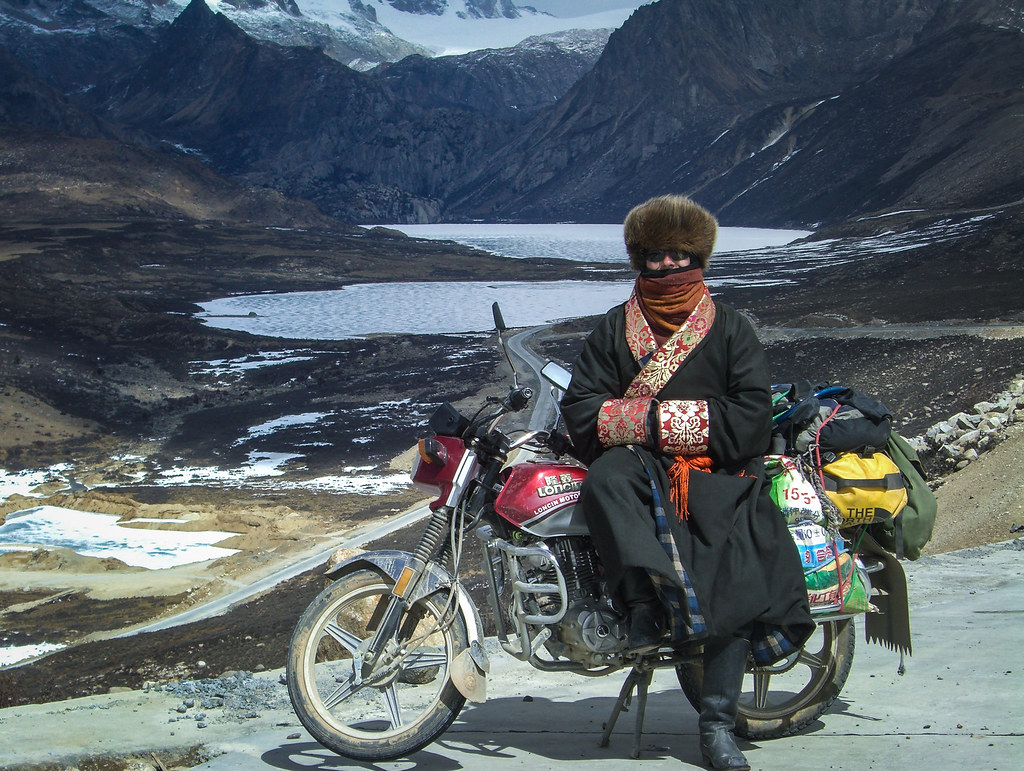
The Nar Phu Valley trek and the Manaslu Circuit lie far beyond the well‑trodden routes of Annapurna and Everest, offering a rare glimpse into Nepal’s secluded Himalayan heritage. Both journeys thread through rugged terrain, soaring ridges and villages that have preserved their Tibetan‑influenced customs for centuries. Because they sit inside restricted conservation zones, access is tightly controlled – a factor that guarantees solitude but also demands careful planning and the right paperwork. For those willing to navigate the bureaucracy, the reward is an authentic cultural immersion framed by some of the world’s most dramatic scenery.
Nar Phu Valley, tucked away in the Gorkha district, is a narrow gorge that cradles two tiny villages, Nar and Phu, perched at roughly 2,200 m and 2,500 m. The trek begins in the historic town of Gorkha, a short drive from Kathmandu, before winding up steep stone steps and ancient footpaths that have served traders for generations. Along the way, trekkers encounter prayer flags fluttering above stone houses, monasteries where monks chant in the evenings, and locals who still speak a distinct dialect of the Tibetan language. The valley’s isolation has helped preserve traditional festivals, such as the colourful Losar New Year celebrations, where masked dances and communal feasts bring the whole community together.
The Manaslu Circuit, encircling the world’s eighth‑highest peak, is a longer, higher‑altitude adventure that traverses the Manaslu Conservation Area. Starting from the bustling hub of Soti Khola, the route climbs past the dramatic Larkya La Pass, which sits above 5,100 m, before descending into the remote villages of Samagaon and Samdo. These settlements cling to terraced fields and are dotted with white‑washed monasteries that house centuries‑old thangkas and prayer wheels. The cultural fabric here is woven from a blend of Nepali and Tibetan threads – you’ll hear the soft murmur of prayer chants, see prayer wheels turning in the wind, and be welcomed with warm cups of butter tea.
Because both treks lie in restricted zones, trekkers must obtain a Manaslu Conservation Area Permit and a Restricted Area Permit, typically arranged through a licensed trekking agency. A local guide and porter are not just recommended; they are mandatory, ensuring safety on the high passes and supporting the local economy. Permits are issued in Kathmandu or Pokhara, and it is wise to allow a few extra days in the capital to complete the paperwork. While the exact fees vary, the process is straightforward once you have a reputable agency handling the details.
The best windows for these treks are the clear, dry months of October to early December and March to May, when the skies are bright and the mountain views are unobstructed. Autumn offers crisp air and vibrant rhododendron forests, while spring brings blooming alpine flowers and a lively atmosphere in the villages. Regardless of season, altitude remains a constant companion; gradual ascent, ample hydration and a sensible acclimatisation schedule are essential to avoid sickness. Packing should focus on layered clothing, a reliable sleeping bag rated for sub‑zero temperatures, sturdy trekking boots and a pair of trekking poles to steady the steep ascents and descents.
Practicalities on the ground are simple yet require foresight. Cash in Nepalese rupees is king – ATMs are scarce beyond the larger towns, so carry enough for meals, tips and occasional purchases of local crafts such as hand‑woven scarves or carved wooden bowls. Internet connectivity is limited; a local SIM card bought in Kathmandu will give you occasional access in the larger villages, but expect long stretches of digital silence. Finally, respect the cultural etiquette: dress modestly when entering monasteries, remove shoes where required, and always ask permission before photographing locals, especially during religious ceremonies.
Both the Nar Phu Valley trek and the Manaslu Circuit promise more than spectacular mountain vistas; they offer a journey into the heart of Nepal’s living heritage, where ancient traditions thrive amid some of the planet’s most awe‑inspiring peaks. With careful preparation, the right permits and an open mind, you can walk the same paths once travelled by traders and monks, and return with stories that echo the quiet resilience of these high‑altitude communities.