Kid‑Centred Adventures: Personal Trip Leaders Transform Family Holidays
New family holiday packages now pair every child with a dedicated trip leader, turning ordinary breaks into safe, engaging, and educational experiences for the whole family.
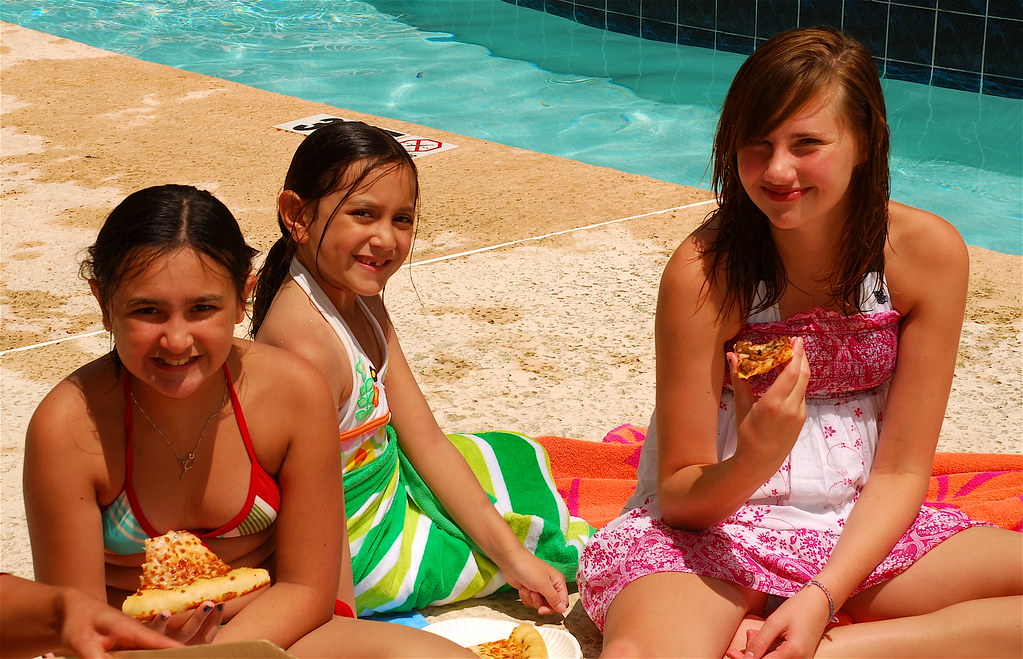
The modern family holiday is evolving from the chaotic scramble of itineraries to a smoother, more personalised experience. A growing number of tour operators now offer programmes where each child is assigned a personal trip leader – a trained guide whose sole focus is the youngster’s safety, enjoyment and learning. This model removes the constant parental juggling act, allowing adults to relax while their children explore new places under the watchful eye of a professional.
A personal trip leader is more than a chaperone. Trained in child safety, first aid and activity planning, they act as a mentor throughout the day. They introduce age‑appropriate facts about local culture, lead hands‑on workshops, and tailor each outing to the child’s interests and energy levels. Whether it’s a beach scavenger hunt, a mountain‑top geology lesson or a city‑centre art trail, the leader ensures the experience is both fun and enriching, while keeping a vigilant eye on the group.
Typical itineraries blend structured learning with free‑play moments. Mornings might begin with a short briefing, followed by a guided walk that highlights natural features or historical landmarks. After a nutritious lunch, the leader organises a themed activity – perhaps building sandcastles that illustrate erosion, or a wildlife‑spotting game in a forest reserve. Evenings often include a brief reflection, where children share what they discovered, reinforcing memory and confidence. Such programmes are now available at coastal resorts, mountain lodges and vibrant city centres across Europe, North America and Asia.
Booking a family holiday with personal trip leaders is straightforward. Most providers require children to be between four and twelve years old, though some extend the service to early teens. Parents simply select the desired destination and duration, and the operator pairs each child with a qualified leader based on language skills and interests. Group sizes are kept small – usually no more than ten children per leader – to maintain a high staff‑to‑guest ratio. While the added service does influence the overall price, families often find the value evident in the reduced need for constant supervision and the richer, more purposeful activities.
For parents, the benefits are immediate. Knowing that a professional is handling the day‑to‑day logistics frees them to enjoy adult‑focused experiences, such as a spa treatment, a wine‑tasting session or a leisurely stroll through a historic quarter. Children, meanwhile, gain confidence by navigating new environments with a supportive adult, develop social skills through interaction with peers, and return home with a trove of stories and new knowledge. The model also alleviates common holiday stressors – missed meals, lost belongings or safety concerns – creating a more relaxed atmosphere for everyone.
A few practical tips can help families make the most of this innovative holiday style. Encourage your child to discuss any preferences or anxieties with the trip leader before the first outing; this helps the leader tailor activities appropriately. Pack a small, lightweight backpack with essentials – water bottle, snack, a favourite book and a simple first‑aid kit – and label it clearly. Keep an open line of communication with the leader, checking in at designated times, but also trust their expertise. Finally, research the provider’s credentials, ensuring staff hold relevant certifications and that the programme includes clear safety protocols. With these steps, families can embark on a holiday where every child enjoys a personal guide, and parents finally get the break they deserve.