India eases visa rules, slashes categories from 13 to 9 to welcome more visitors
India has trimmed its visa system from thirteen to nine main categories, aiming to make entry smoother for visitors. The move is part of a broader push to revive and grow the country’s tourism sector.
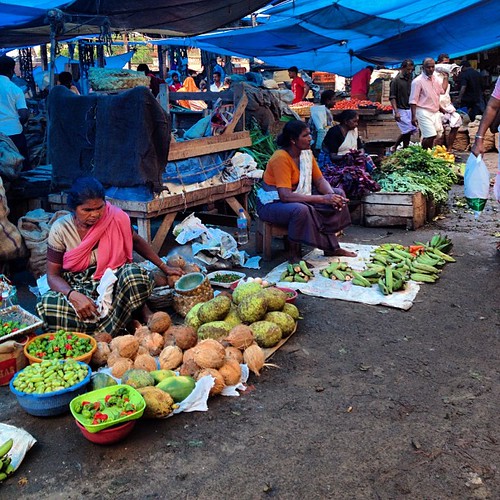
India’s diverse landscapes, rich heritage, and vibrant cities have long drawn curious travellers from around the globe. Yet for many, the visa process has been the first, and sometimes steepest, hurdle. Recognising this, the government has announced a streamlined approach, reducing the number of visa categories from thirteen to nine. The change signals a clear intent: to lower entry barriers and invite more visitors to experience the country’s many faces.
The previous system grouped applicants into a wide array of sub‑types, each with its own set of requirements, supporting documents, and processing timelines. By consolidating these into nine broader umbrellas, the authorities hope to eliminate redundancy and speed up approvals. The new categories are designed to cover the most common purposes of travel – tourism, business, medical visits, conferences, and a few specialised streams – while grouping less frequent cases under more general headings. This restructuring should mean fewer forms to complete and a more straightforward journey from application to arrival.
For the independent traveller, the implications are tangible. A visitor heading to Rajasthan’s palaces or Kerala’s backwaters will now fall under a single tourist umbrella, rather than having to select from multiple sub‑options that may not perfectly match their itinerary. Business travellers attending meetings in Bangalore or Mumbai will find a dedicated business lane, while those seeking wellness treatments or yoga retreats have a clear path under the medical and wellness category. The simplification also extends to e‑visa holders, with several previously separate streams now merged into a single electronic category, reducing the chance of errors during online submission.
This visa overhaul does not exist in isolation. It is part of a coordinated effort to reposition India as an accessible destination for all types of travellers. Recent years have seen increased investment in regional airports, improved rail connectivity, and the restoration of heritage sites that had long been on the wish‑list of cultural enthusiasts. By making the entry process less bureaucratic, the government aims to complement these infrastructure upgrades and create a seamless experience from the moment a traveller decides to book a flight to the day they step off the plane.
If you are planning a trip in the near future, a few practical steps can help you make the most of the new system. First, check the official immigration portal to confirm which of the nine categories best matches your purpose of travel. Second, gather the standard documents – a valid passport, recent photographs, proof of accommodation, and a return or onward ticket – as these remain required across all categories. Third, apply well in advance, even though processing times have been targeted for reduction; early application avoids last‑minute stress, especially during peak travel seasons. Finally, keep an eye on any updates from the embassy or consulate, as the rollout may be phased and minor adjustments can occur.
Once the visa is sorted, the rewards are abundant. From the snow‑capped peaks of the Himalayas to the sun‑kissed shores of Goa, from the bustling streets of Delhi to the tranquil backwaters of Tamil Nadu, India offers a spectrum of experiences that cater to every interest. Food lovers can embark on a culinary journey through street markets and fine‑dining establishments alike; history buffs can wander through Mughal forts, colonial towns, and ancient temple complexes; nature seekers can explore national parks teeming with wildlife. The simplified visa process is designed to put these wonders within easier reach.
India’s decision to reduce its visa categories