Calvià Crowned European Capital of Tourism 2027 – Why It Should Top Your Travel List
The Balearic municipality of Calvià has been honoured as Europe’s tourism capital for 2027, a nod to its sun‑kissed beaches, vibrant culture and growing commitment to sustainable travel. Here’s a practical guide to experiencing the best of this Mediterranean gem.
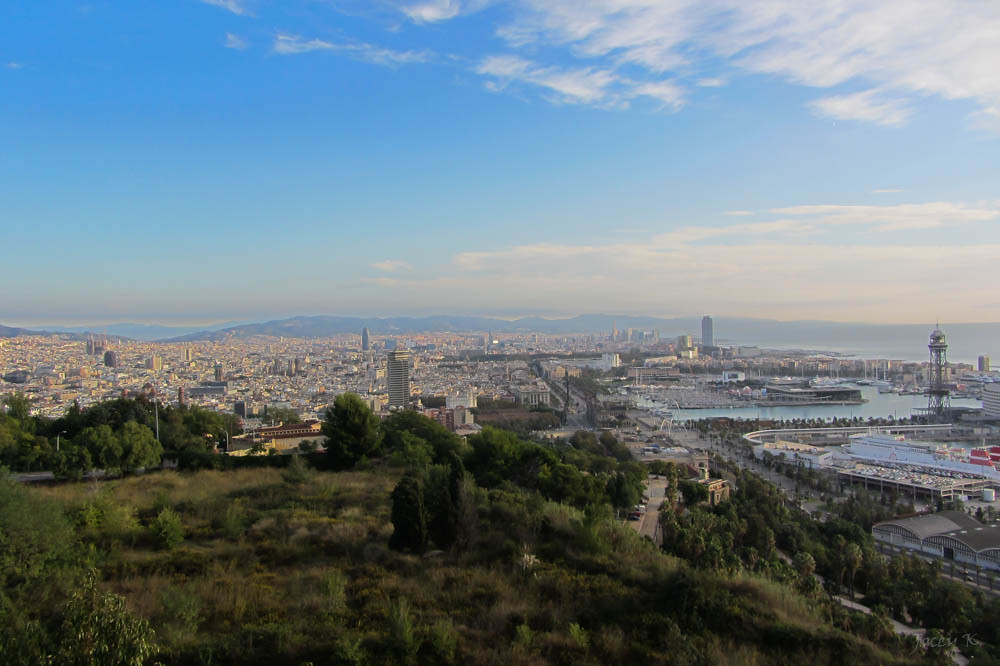
Calvià, tucked on the western side of Mallorca, has just been named the European Capital of Tourism for 2027. The award recognises the area’s blend of pristine coastline, historic villages and forward‑thinking tourism policies. For travellers, it signals a year of special events, enhanced visitor services and a renewed focus on quality experiences. Whether you’re a sun‑seeker, a culture lover or a foodie, the accolade makes Calvià a destination worth pencilling into your calendar.
The municipality boasts more than thirty kilometres of golden sand and crystal‑clear water, making it a beach lover’s paradise. Highlights include the family‑friendly Playa de Muro, the lively Magaluf Bay with its bustling promenade, and the quieter coves of Cala Galdana, ideal for a relaxed afternoon. Public buses connect most beaches, but renting a scooter or a bicycle offers flexibility and lets you discover hidden inlets at your own pace. The best weather spans May to October, with July and August at the peak of sunshine; however, early June and late September provide warm seas without the summer crowds.
Beyond the shoreline, Calvià’s inland villages preserve a distinct Mallorcan charm. The historic centre of Peguera showcases whitewashed houses, narrow alleys and a modest but evocative church dating back to the 18th century. Throughout the year, local festivals celebrate traditional music, dance and crafts – the most colourful being the summer “Festa de la Mare de Déu” in August, where streets fill with fireworks and street performers. A short drive inland leads to the Puig de Galatzó nature reserve, where marked trails reward hikers with panoramic views of the island and the sea beyond.
Food in Calvià is a celebration of Mediterranean flavours, with fresh seafood, locally grown vegetables and the island’s famed sobrassada sausage. The weekly market in Santa Ponsa offers a sensory feast of olives, cheeses, figs and honey, perfect for picnics on the beach. For a more refined experience, the waterfront promenade hosts several restaurants that serve paella cooked over open fire, paired with a glass of locally produced Mallorquín wine. Don’t miss the chance to try “ensaimada”, a flaky pastry that’s a staple of Mallorcan breakfast.
Accommodation ranges from five‑star resorts in Magaluf, many of which now carry eco‑certifications, to family‑run apartments in quieter villages such as Portals Nous. Booking early is advisable during the peak summer months, but the capital’s status for 2027 brings a surge of special offers and packages that combine lodging with cultural tours or wellness retreats. For the environmentally conscious traveller, several hotels have adopted solar heating, water‑saving programmes and locally sourced food menus, aligning with Calvià’s sustainability goals.
Getting to Calvià is straightforward: Palma de Mallorca’s international airport receives regular flights from most European capitals, and a direct train or bus links the airport to the town of Calvià in under thirty minutes. Within the municipality, the integrated public transport system makes it easy to hop between beaches, villages and attractions without a car. For those keen to explore the wider island, a rental car offers the freedom to visit neighbouring towns such as Sóller or the dramatic cliffs of Cap de Formentor. As the European Capital of Tourism, Calvià will host a calendar of free guided walks, beach clean‑up events and cultural workshops throughout 2027 – a perfect excuse to visit now and experience a destination that’s both celebrated and ever‑evolving.