Air Canada expands worldwide as US travel demand stalls
While Canadian carrier Air Canada rolls out a suite of new long‑haul routes to boost global reach, travellers in the United States remain cautious, keeping demand for flights below pre‑pandemic levels.
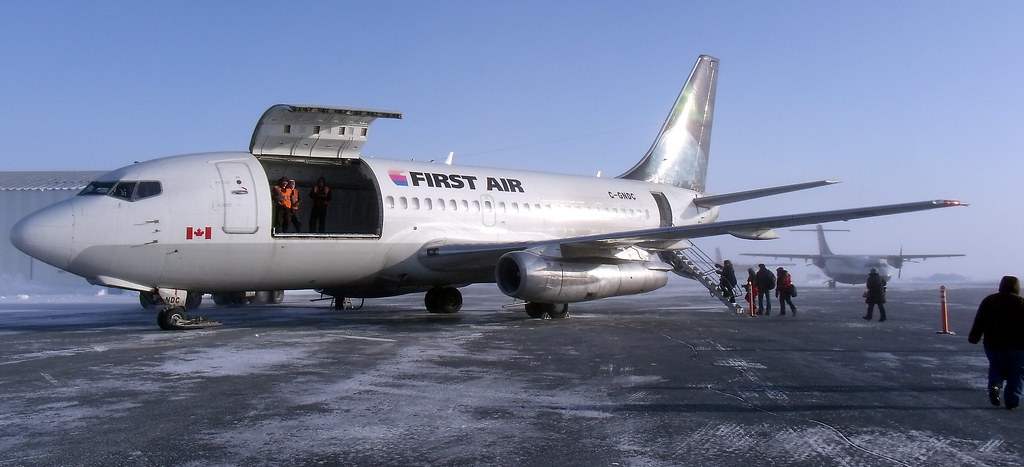
Air Canada has announced a flurry of new services that signal a clear ambition to grow beyond North America. From fresh connections to Europe’s historic capitals to long‑haul flights reaching the vibrant markets of Asia and the sun‑kissed Caribbean, the airline is positioning itself as a gateway for Canadian and international travellers alike. The timing is notable: across the border, the United States is still grappling with a tepid recovery in passenger numbers, leaving many carriers trimming capacity and postponing route launches. In this contrasting landscape, Air Canada’s bold move offers both opportunities and a fresh perspective on the evolving post‑pandemic travel market.
The new schedule adds several high‑profile destinations to Air Canada’s roster. Toronto Pearson will host direct flights to Madrid and Lisbon, giving passengers a seamless link to the Iberian Peninsula without the need for a US layover. In the east, a weekly service to Dubai opens a direct corridor to the Middle East, catering to both leisure seekers and business travellers. Further afield, the airline has introduced a non‑stop route from Vancouver to Tokyo’s Haneda Airport, tapping into the growing appetite for Japanese culture and cuisine. Meanwhile, a seasonal summer service from Calgary to Barbados will provide a quick escape to Caribbean beaches, appealing to families and couples looking for a short‑haul sun holiday. All routes operate with the airline’s latest narrow‑body and wide‑body aircraft, featuring modern cabins, Wi‑Fi, and a refreshed in‑flight menu that highlights Canadian produce.
Why now? Canadian travel sentiment has been on an upward trajectory, buoyed by a relatively strong domestic economy and a surge in outbound tourism. Air Canada’s fleet renewal programme, which has seen the introduction of fuel‑efficient Boeing 787 Dreamliners and Airbus A321neo jets, gives the carrier the flexibility to launch longer routes while keeping operating costs in check. Moreover, the airline’s strategic partnership with several European carriers allows passengers to enjoy seamless connections beyond the initial destination, extending the reach of the new services. For travellers, this translates into more choices, fewer stop‑overs, and the chance to accrue Aeroplan points on a broader range of journeys.
Across the border, the picture is less rosy. US airlines report that passenger loads remain below the levels seen before 2020, with business travel still hesitant to return to pre‑pandemic frequencies. High inflation, lingering concerns over fuel price volatility, and a cautious consumer outlook have all contributed to the slowdown. As a result, many US carriers have reduced frequencies on marginal routes and postponed the launch of new long‑haul services. The subdued demand also means that airlines are offering more promotional fares and flexible booking options to entice travellers back onto the tarmac.
For the practical traveller, the divergence between the two markets creates a unique set of opportunities. Those based in Canada can now reach Europe, the Middle East and Asia directly from home, often at competitive prices that were previously only available via US hubs. Conversely, US travellers may find that Air Canada’s expanded network offers attractive alternatives to domestic carriers, especially for journeys that would otherwise require multiple connections. The airline’s loyalty programme, Aeroplan, remains a valuable asset: members can earn and redeem points on the new routes, and the programme’s recent tier‑boost promotions make it easier to achieve elite status for frequent flyers.
If you’re considering one of these fresh connections, a few tips can help you secure the best experience. Start by checking the airline’s website early, as the inaugural flights often have limited seats at introductory fares. Use the flexible‑date search tool to compare prices across a range of departure days – mid‑week departures typically yield lower costs. For longer journeys, consider booking a mixed‑cabin itinerary; a premium economy seat on the outbound leg can add comfort without the full price of business class. Finally, enrol in Aeroplan before you book; even a basic membership can unlock seat‑selection perks and allow you to track mileage accrual for future trips.
Air Canada’s aggressive route expansion demonstrates confidence in a world that is slowly, but surely, reopening to international travel. While US demand lingers in a state of caution, the Canadian carrier’s new services provide a timely reminder that the skies are still full of possibilities for those ready to explore. Whether you’re chasing the historic streets of Lisbon, the neon lights of Tokyo, or the turquoise waters of Barbados, the expanded network offers a fresh canvas for the modern traveller.